Free Tuberculosis Health Camp Successfully Completed At DCWC Community Hospital
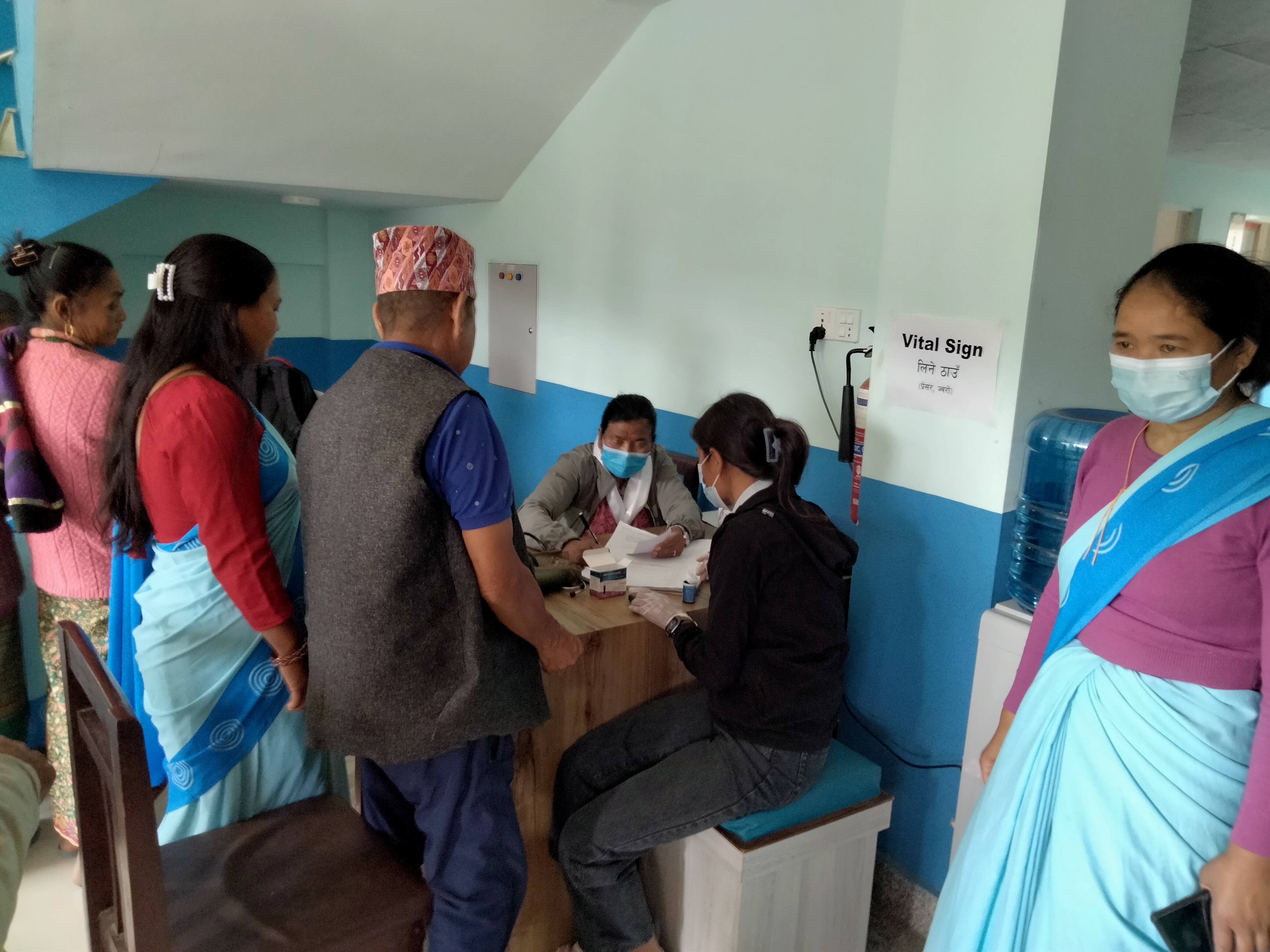
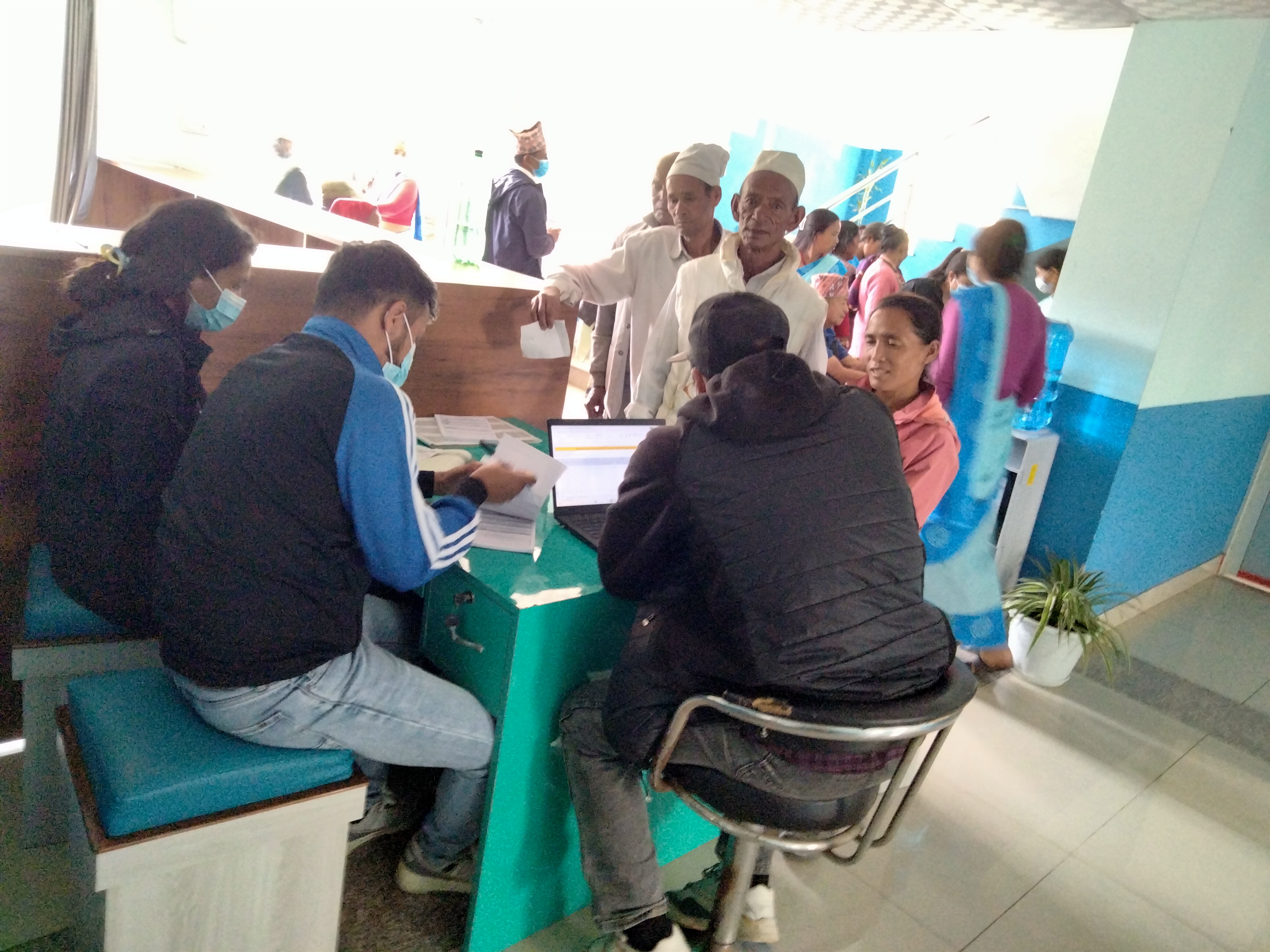
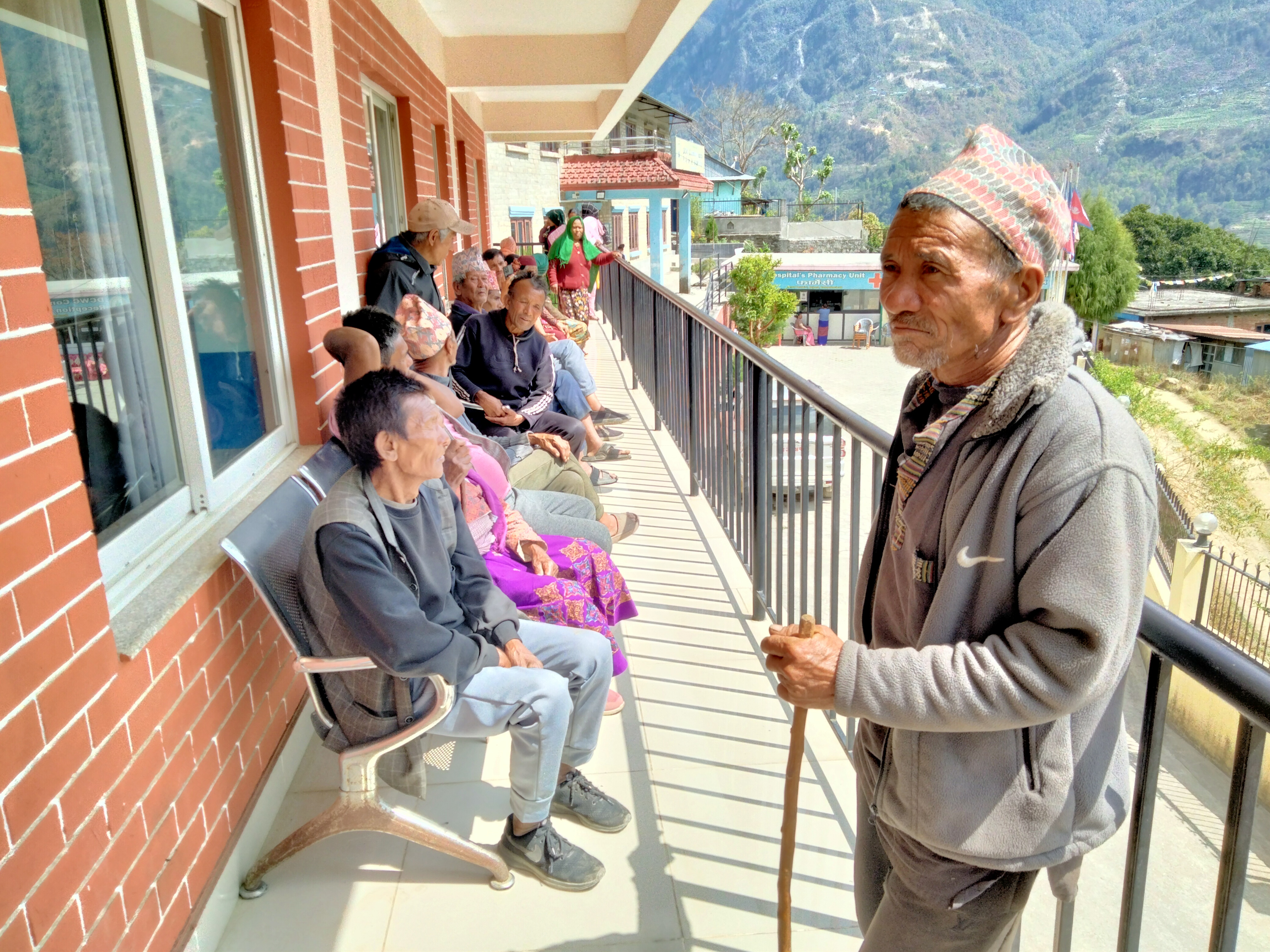
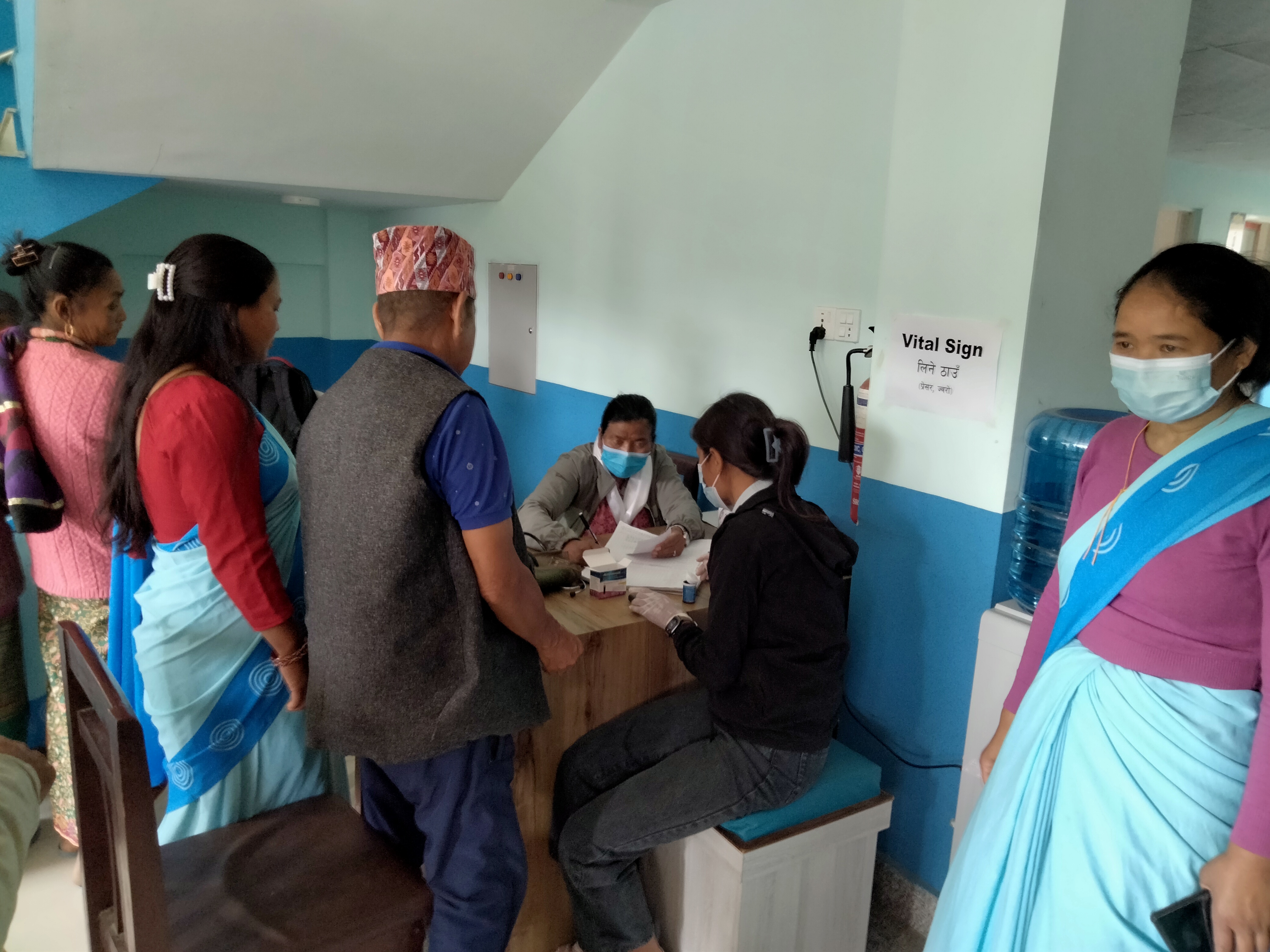
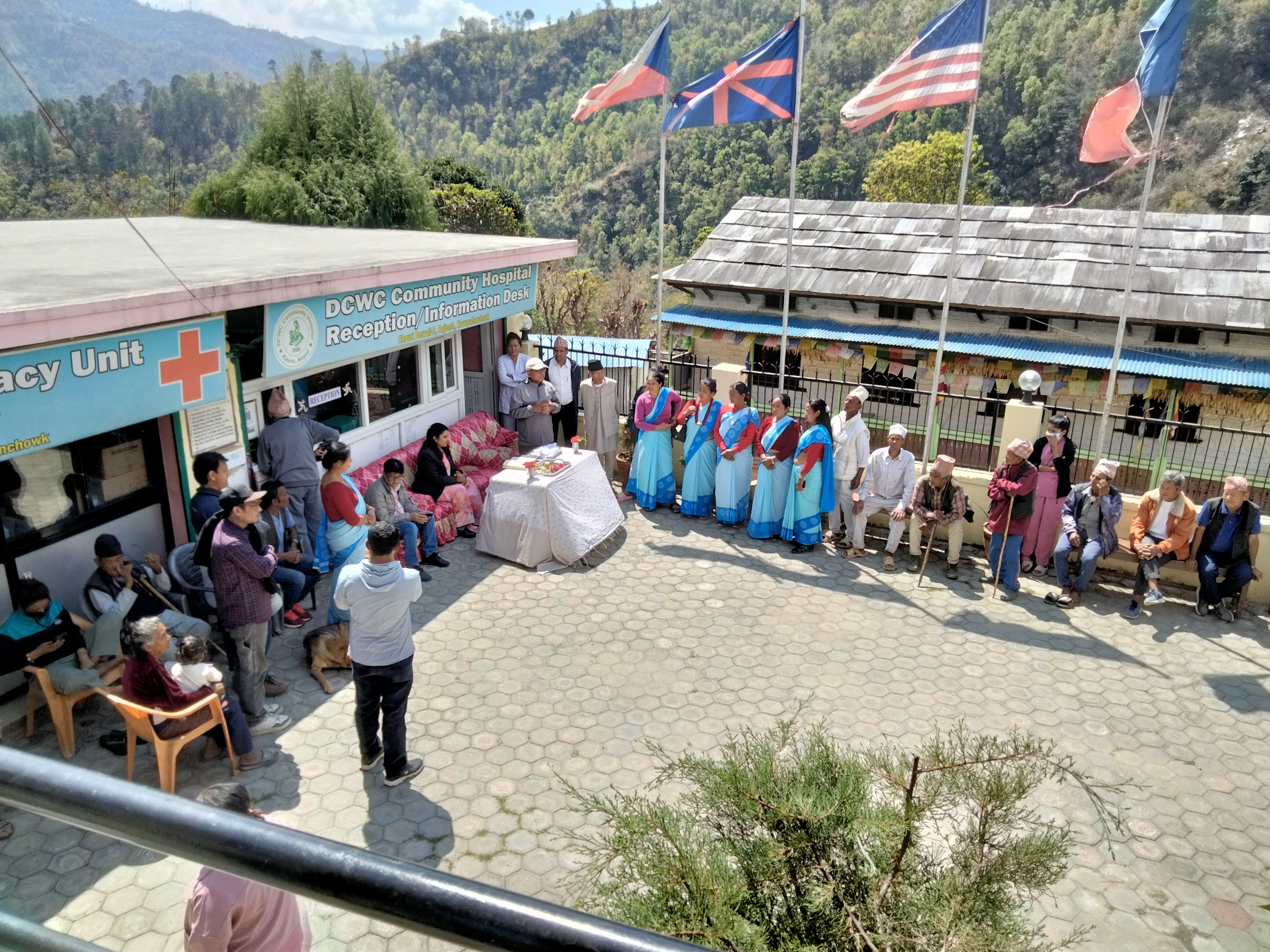
March 23, 2026 marked an important day for community health in Chaunrideurali Rural Municipality, as a one-day free tuberculosis (TB) health camp was successfully conducted at our hospital.
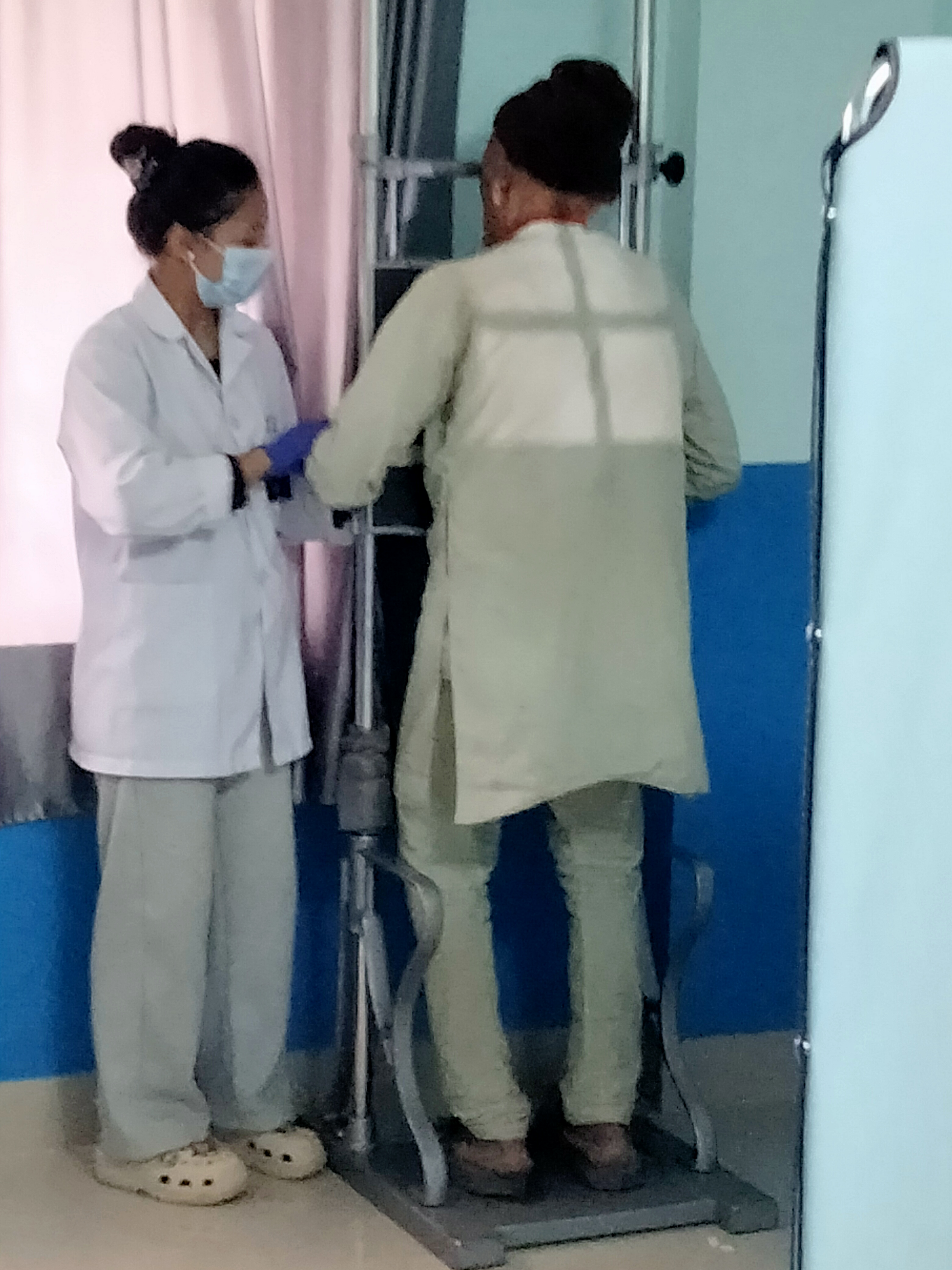
This meaningful initiative was jointly organized by the District Public Health Office Kavre and Chaunrideurali Rural Municipality, with technical support from the Japan-Nepal Health and TB Research Association Nepal. The camp utilized advanced digital X-ray technology, allowing participants to receive chest X-ray services with active involvement from specialist doctors.
The program was held in the presence of several respected dignitaries and health professionals. The event was coordinated under the guidance of Hospital Management Sub-Committee Advisor Coordinator Dinesh Lama, with Hospital Management Coordinator Ratna Bahadur Lama playing a key role.
The program was inaugurated by the Chief Guest, Rural Municipality Chairperson Renuka Chaulagain, who lit the ceremonial lamp and encouraged the community to actively participate in and benefit from such health services. Special guests included Health Section Chief Tej Bahadur Ghising, TB specialist Dr. Pramod Battarai, radiographer Mandira Maharjan, and field mobilizer Bishnu Thapa.
The camp also saw the valuable presence and support of District Program Coordinator Sajan Tamrakar, Deurali Health Post In-charge Ganga Ranjitkar, Godpani Health Post In-charge Pradip Shrestha, Nagra Garchhe representative, Garga Health Post In-charge Badri Bhandari, Majhifeda Health Post representative Rajendra Bista, Rekha Chaudhary, along with dedicated health workers and volunteers.
All guests were warmly welcomed with traditional khada by hospital staff members Koshila Shrestha and Saradha Karki, reflecting the community’s respect and appreciation.
Participation and Impact
A total of 138 individuals participated in the health camp:
- 62 males
- 76 females
Through screening and testing, 3 male participants were identified with tuberculosis, highlighting the importance of early detection and accessible healthcare services.
This health camp stands as a strong example of collaboration between local government, health institutions, and international partners. It not only provided free medical services but also raised awareness about tuberculosis and the importance of timely diagnosis.
Initiatives like these bring healthcare closer to the community and help build a healthier, more informed society.
More details :